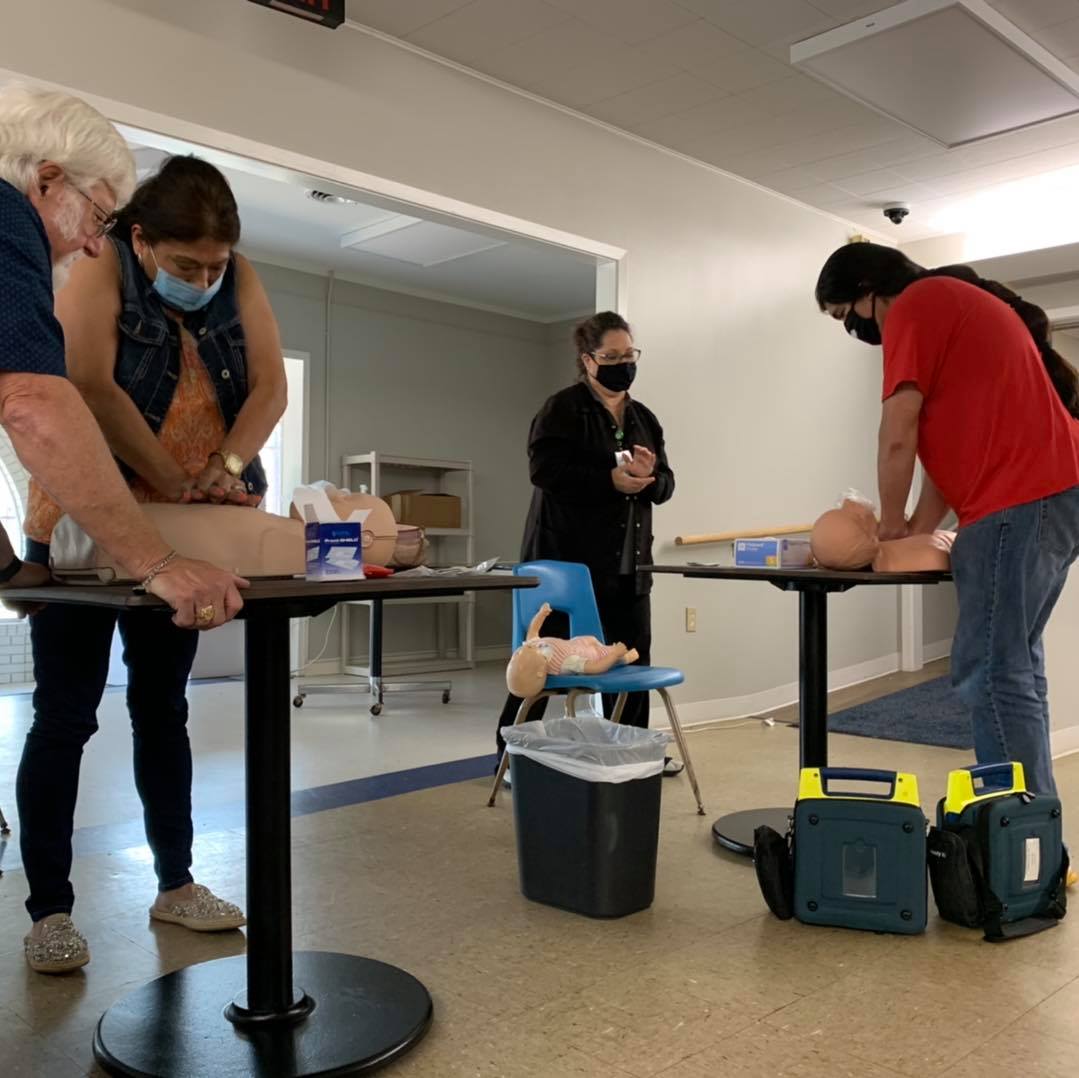
Emergency Response Team
Meals on Wheels South Texas
As a senior-serving organization, MOWSTx determined that staff needed to be trained and prepared for emergencies our clients might experience. I took lead in sourcing trainings and certifications from the community, including CPR/First Aid + AED from the local hospital and development opportunities from the Office of Emergency Management.
The ERT was developed to better manage responses by staff and limit impacts to operations. I analyzed risks and prepared contingency plans based on variably available resources.
Virtual Field Trips & Staying Engaging in the Pandemic
Leonis Adobe Museum 2020-2021
During the COVID-19 pandemic, the Leonis Adobe Museum closed for staff and visitor safety, effectively making it unable to serve the over 12,000 school children who participate annually in its Rancho and Chumash village school tours.
I took point in coordinating the technical side of redeveloping both tours for our school community’s virtual classrooms. I supervised our contract videographer, filmed additional footage, edited and animated in post, and collaborated with a local audio engineer who kindly donated his time away from major studio projects to produce a historically authentic musical accompaniment to our Chumash Village tour. I additionally had the pleasure to work with the lead museum guide responsible for curricular content in developing activity sheets appropriate to Common Core standards for our primary tour audiences.
Based upon usage estimates nearing the end of the 2020-21 academic year, we were able to serve over 50% of the classes who would typically have joined us in-person.
As the museum looks toward reopening, the tour offers a wealth of fresh perspectives, supplemental materials, and accessibility opportunities it can offer its community of educators.

Passport 2 History
Leonis Adobe Museum
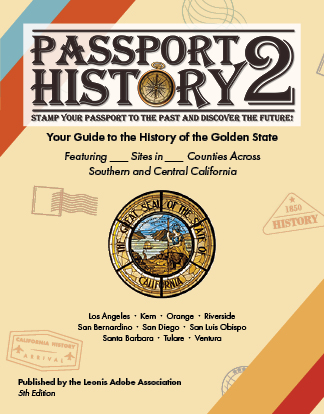
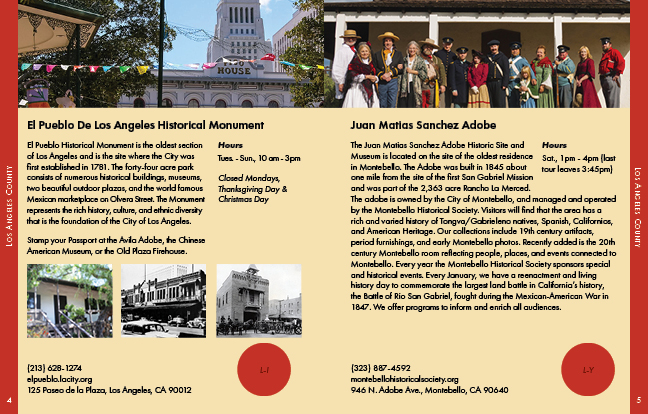
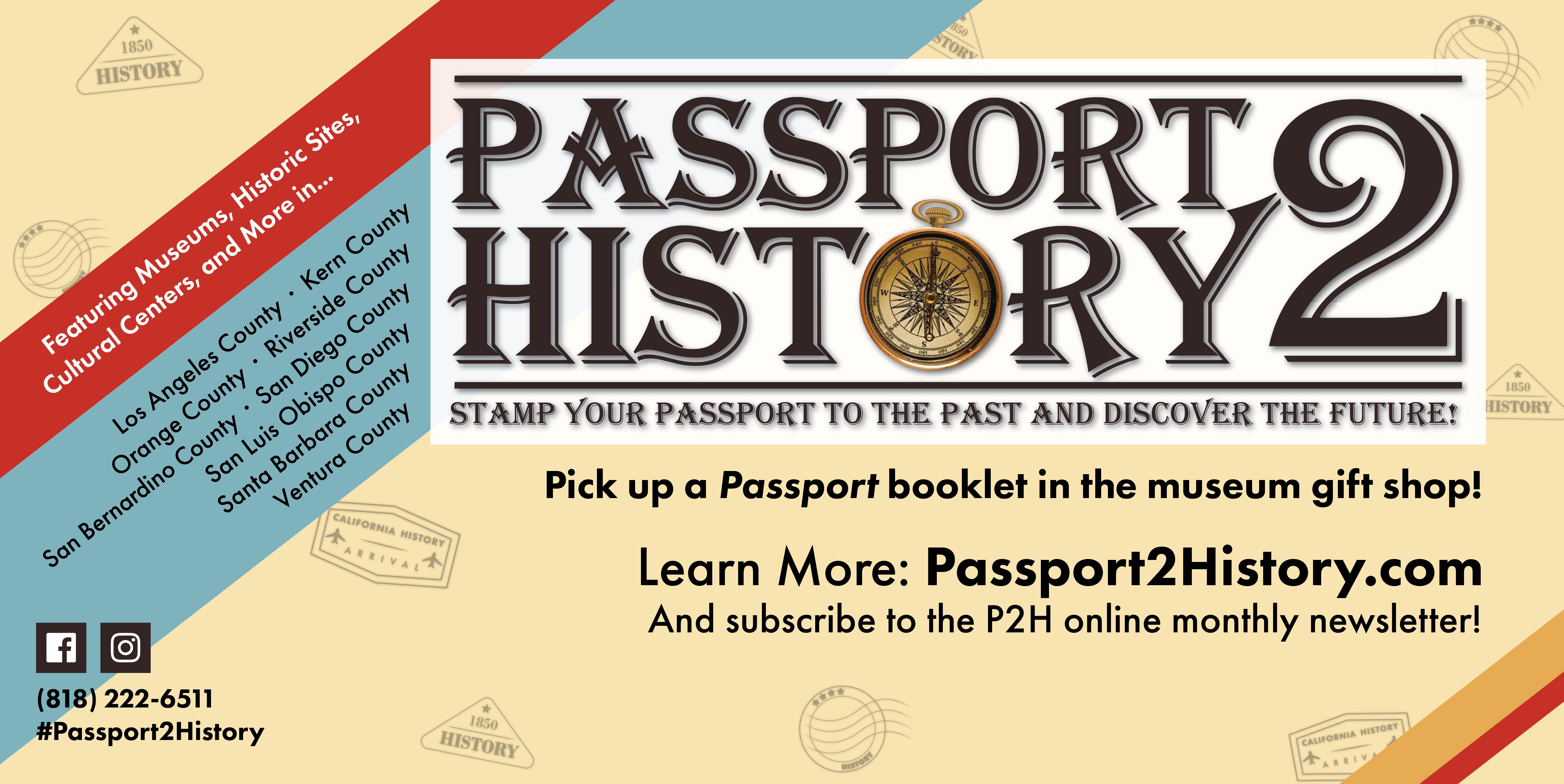
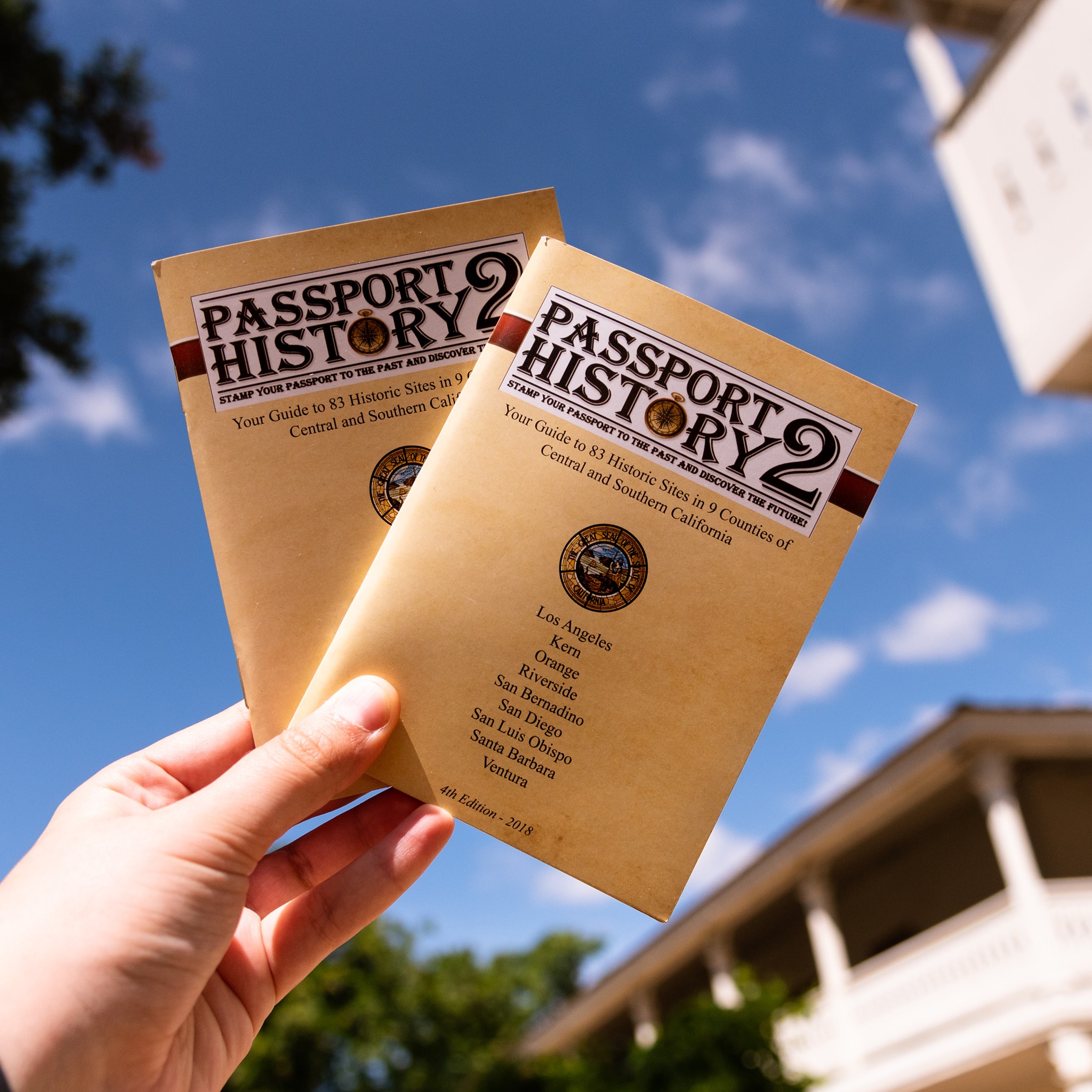
Passport 2 History, operated by the Leonis Adobe Museum, unites the sites, collections, experiences, and organizations that tell the story of Southern and Central California and its people. The program features 85 historic-cultural institutions, including major California historic sites, cultural centers, and internationally regarded museums.
As P2H Liaison, I facilitated all aspects of the program, from passport booklet orders, to editing the monthly newsletter, to regular inquiries and community outreach, to redesigning new editions of the booklet.
My greatest success as P2H Liaison was in cultivating relationships with peer institutions. This had a directly positive impact: my relationships through the program generated leads for colleagues performing historical and industry research and connections for my own work as site disaster coordinator. It enabled the protection of priceless collection items, ensuring potential donors were connected with museums capable of housing fragile pieces of history.
My editorship of the newsletter was marked by advancing 21st century modes of engagement, namely highlighting digital engagement opportunities from across the P2H network two years before COVID had even hit. I had already sought out virtual tours, announcements, and collections projects which relied less upon the in-person events/exhibits calendar which traditionally made up the newsletter. The shift following museum closures across California was less stark as a result; rather than forcing a wholly new format on readers, I was able to shift content to weigh heavier in places I had already begun promoting. I also had the infrastructure to support sites as they transitioned toward digital and socially distanced content, enabling a more seamless experience for our partners.
Disaster Preparedness Program
Leonis Adobe Museum
As the designated disaster coordinator for the Leonis Adobe Museum within my role as Collections Specialist, I developed the museum’s comprehensive disaster preparedness plan. I represented the Museum at the California Preservation Project’s 2019 Los Angeles County workshop series for Protecting Cultural Collections and trained in disaster mitigation, preparedness, response, and recovery.
Much of my routine work involved monitoring changes in site infrastructure and collections concerns and updating plans and maps accordingly, driving preparedness activities, and engaging in continued conversations with local government and community stakeholders to ensure the Museum’s needs were known and represented.
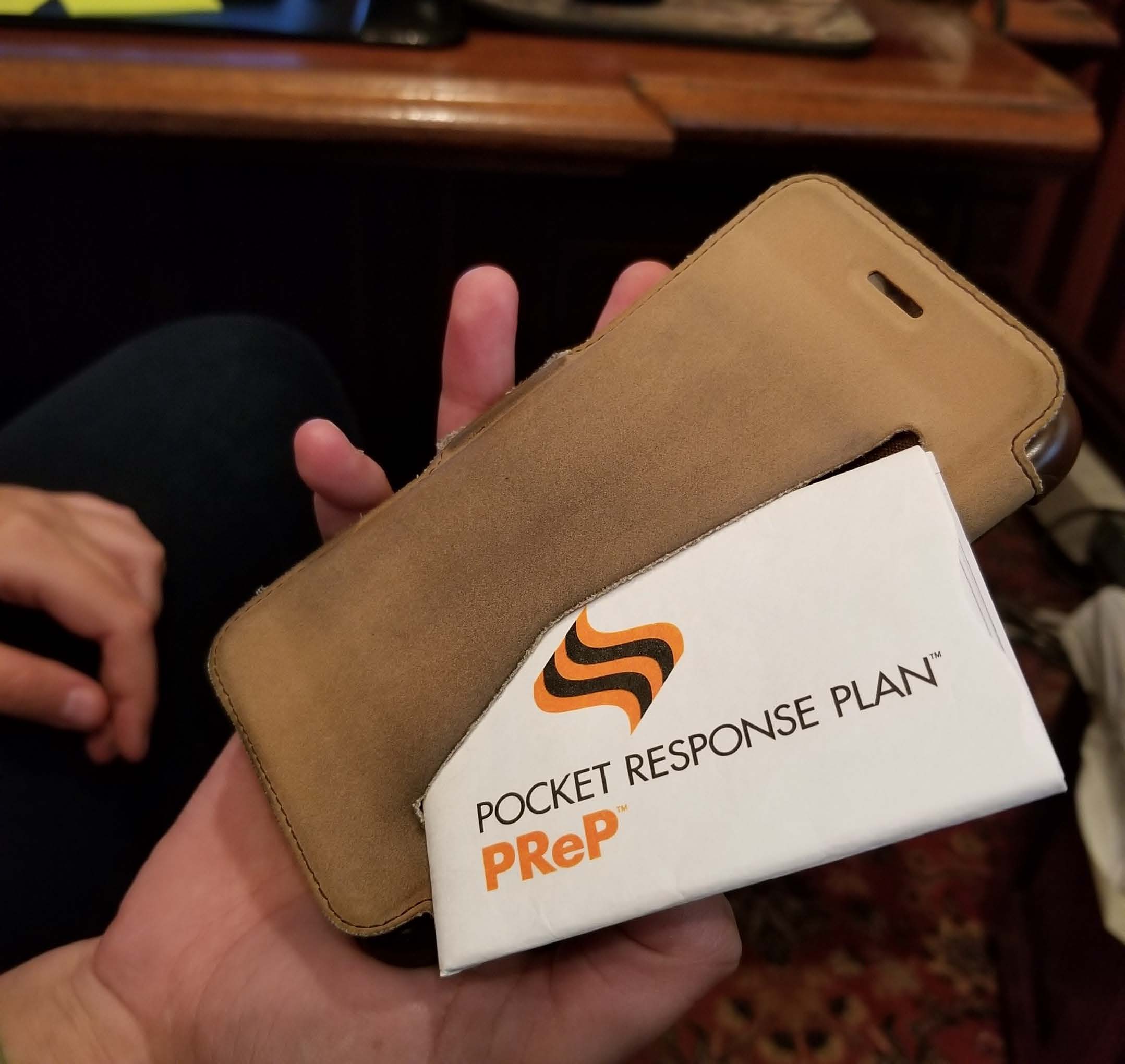
I created and maintained the museum’s pocket plan, based on the PReP c3 format, with included floorplans and collection priority color-coding.
As social media manager, I additionally took primary responsibility for informing the general public of the Museum’s status and responding to public inquiries through social media during incidents, including ongoing crisis communications around the museum’s closure status due to COVID-19.


Missing Aunt Grace
Honors Thesis, Beloit College English Department, 2017-2018
Advisor: Chuck Lewis
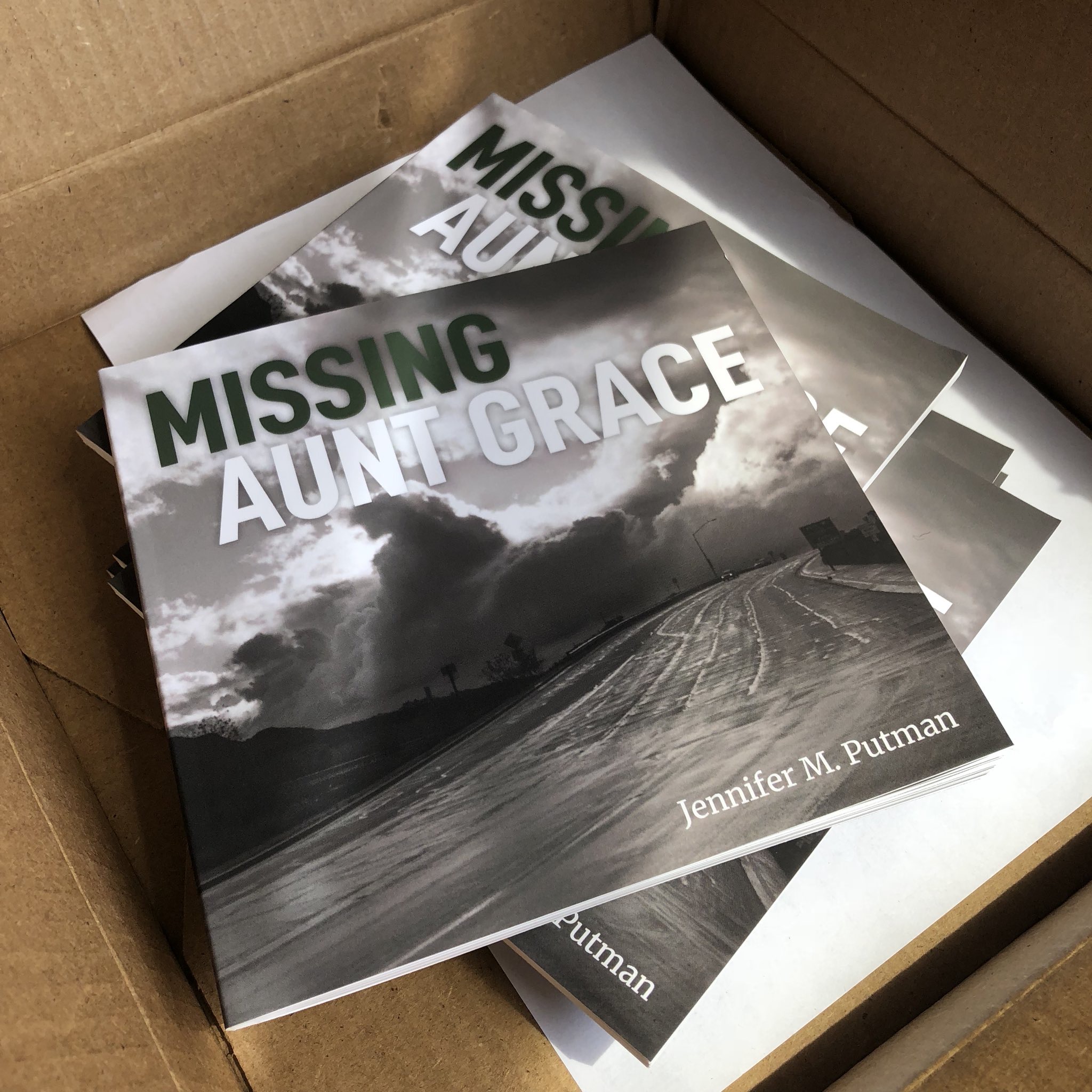
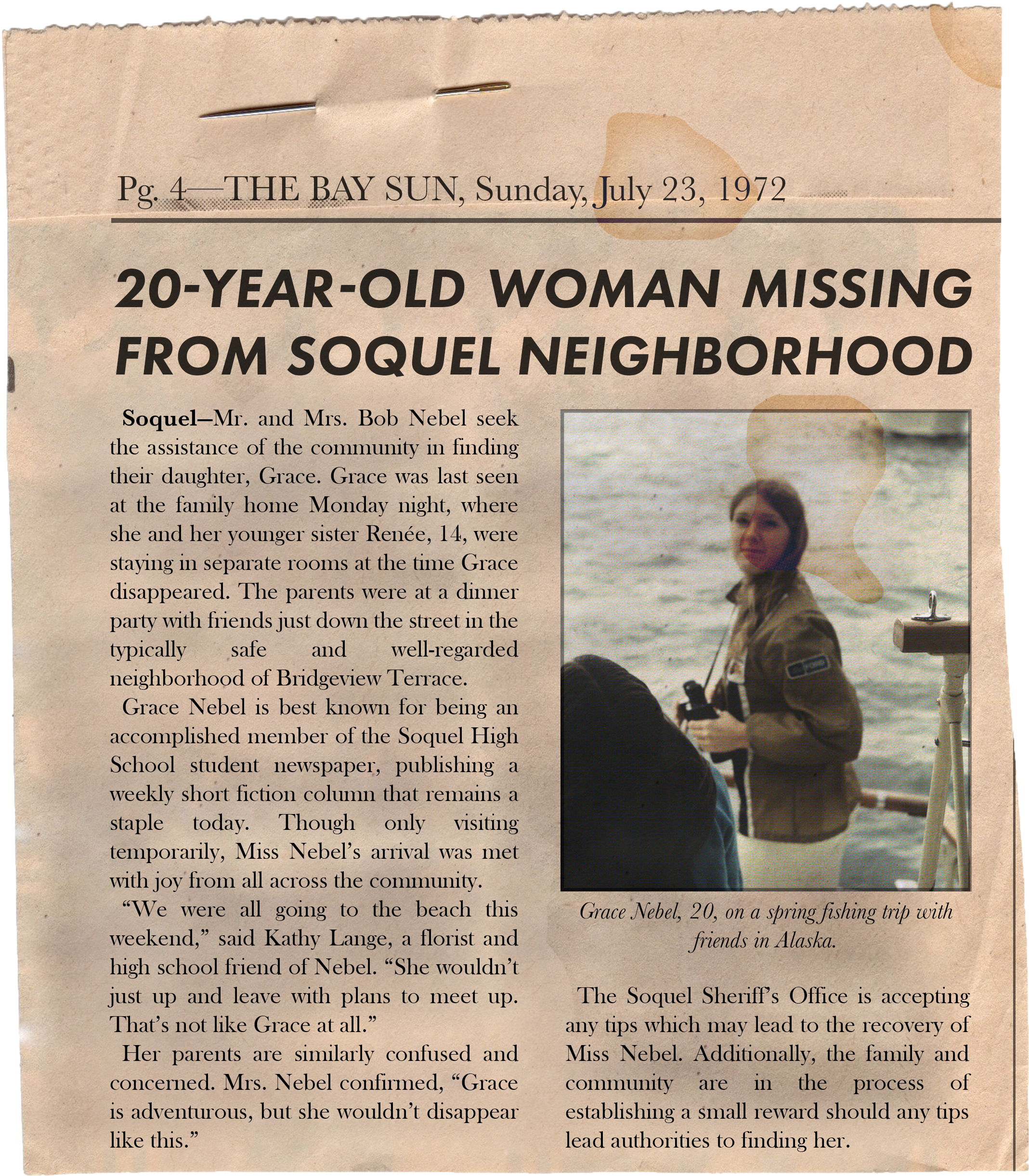
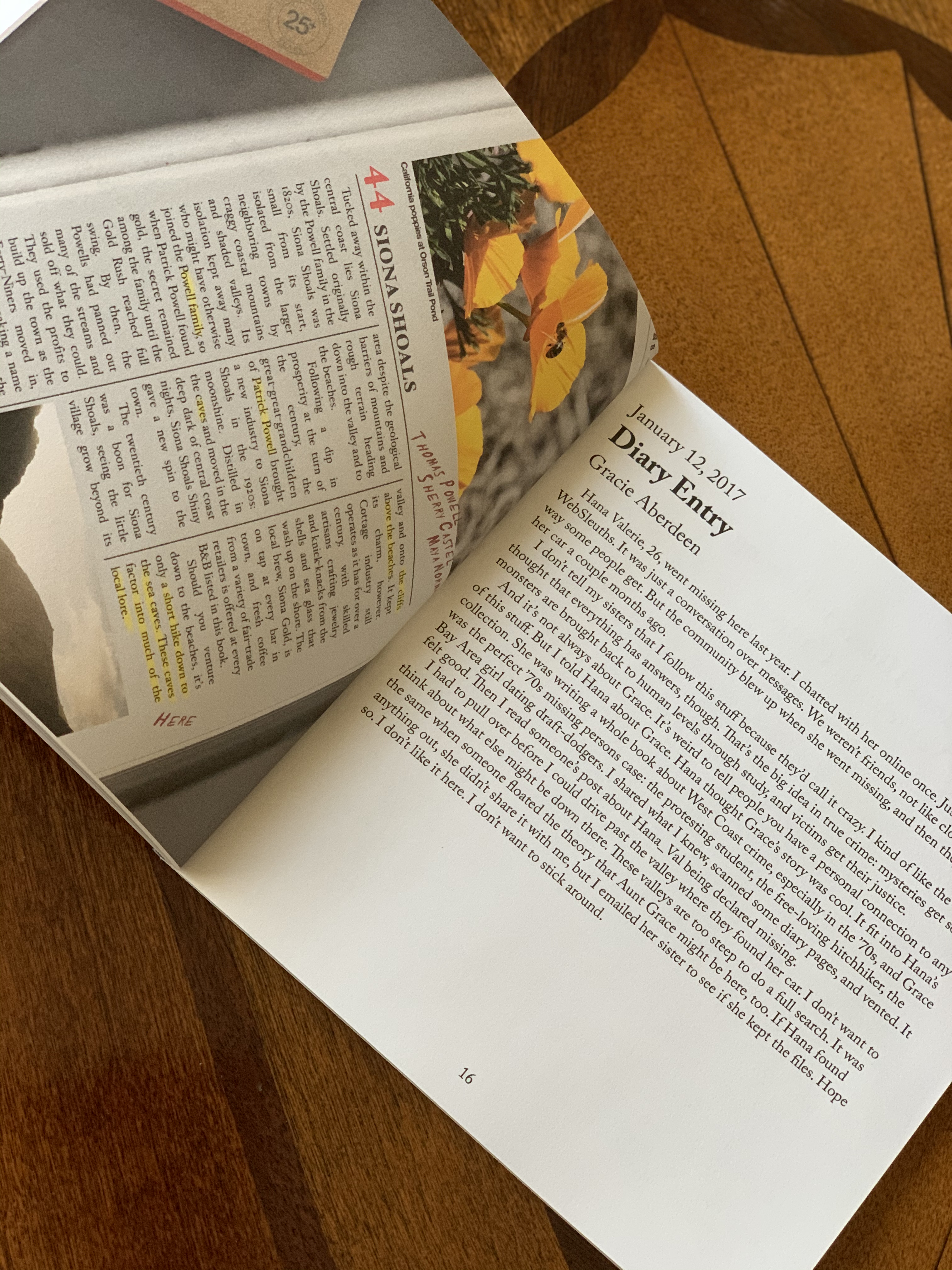
MISSING AUNT GRACE is an epistolary novella blending narrative, photography, and fabricated documents. The narrative is a fictional exploration of familial trauma through the narrator/assembler’s documentation.
The design of the book takes three approaches. In the most prosaic form, white text is presented against black pages. Traditional epistolary text is presented on white ground with dates and citations. Clippings, photographs, found items, and other pieces of evidence manufactured in Photoshop are incorporated throughout, with captions and citations functioning as additional layers of narrative.

Animation
Personal projects made for fun in ToonBoom Harmony and Adobe After Effects, Premiere Pro, and Animate.
 Jenn Putman