
Mapping Miguel
Leonis Adobe Museum (permanent)
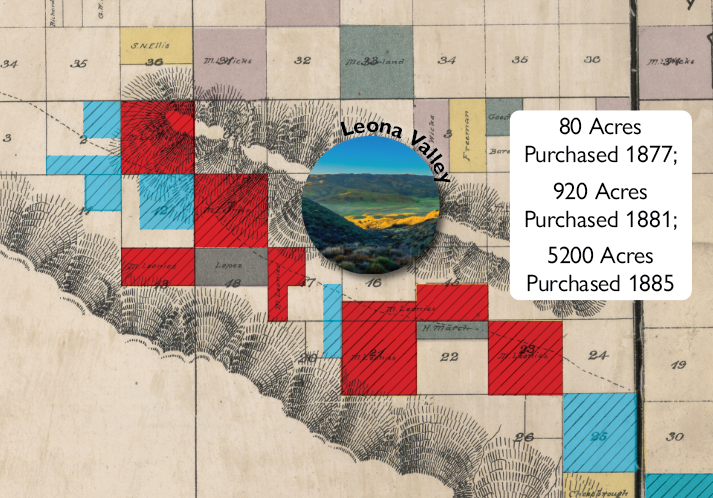
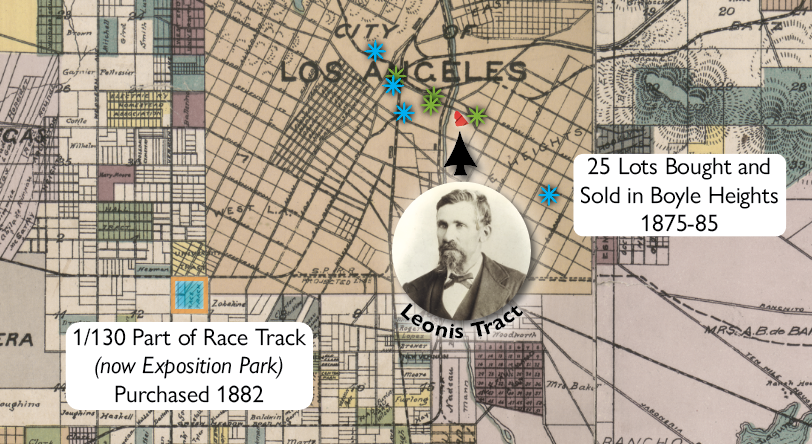
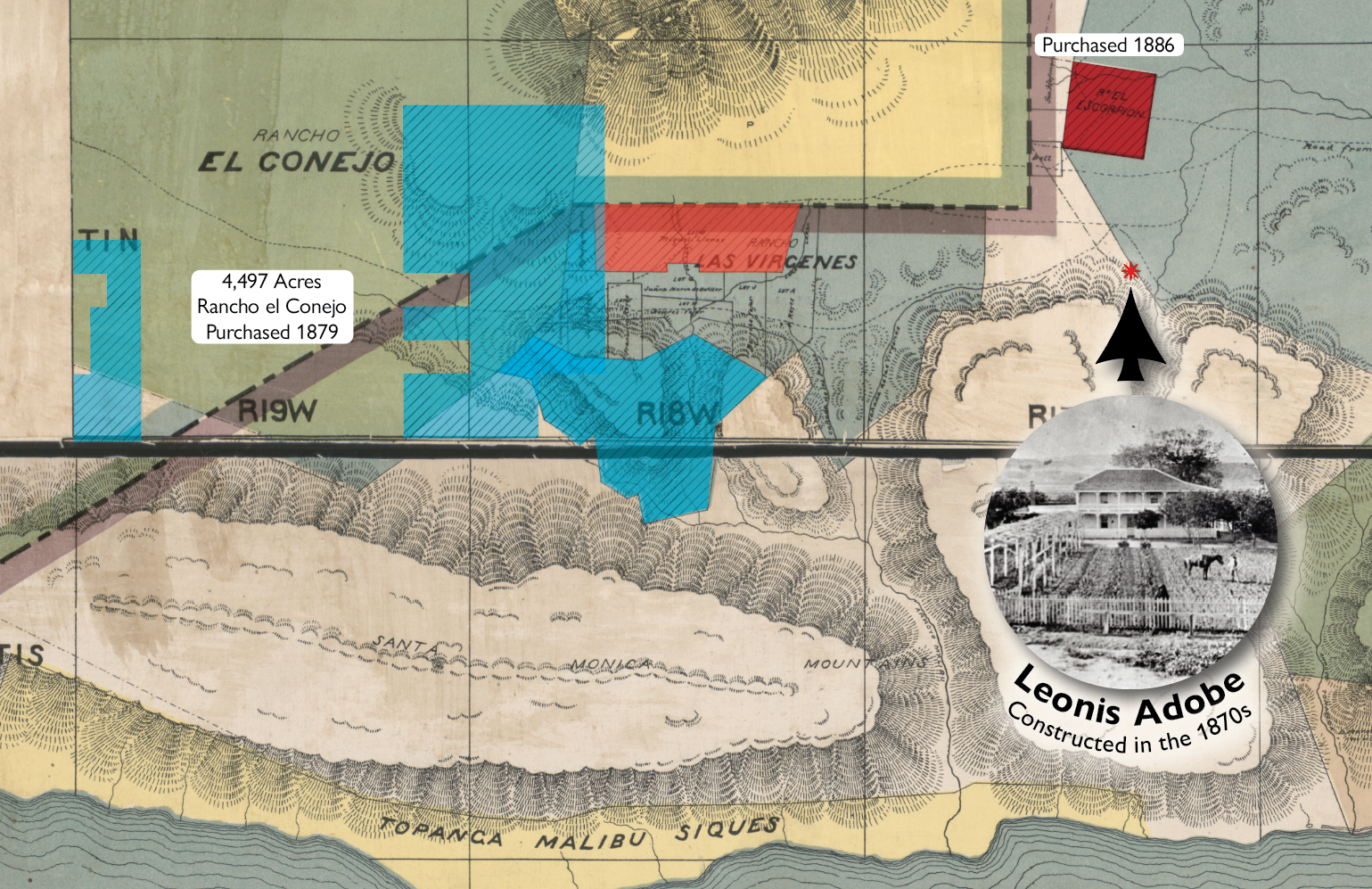
Knowledge of Miguel Leonis’ landholdings was previously anecdotal for the most part and based on his estate at the time of his death. Using Los Angeles County deed records and historical maps from regional and national collections, I transcribed and mapped over 18,383 acres and 43 county-defined lots owned partially or in full by Leonis between 1872 and 1889.
The display serves to aid visitors to the Leonis Adobe in understanding the greater reach of the “King of Calabasas,” a figure nearly lost to history but whose involvement in early LA’s economy proves he had an impact we’re still only beginning to understand. While the house is located in Calabasas and Leonis did own a massive portion of the West Valley at one point, he also owned a vast swath of land near Lancaster and key properties in Los Angeles’ 19th century trade centers.
Properties are aligned with present-day neighborhoods to give the viewer a point of reference and color-coded to align with ownership status in the year the base map was printed. Final stages of development were in collaboration with the museum curator-historian, who wrote the label copy.
Bird is the Word: Livestock Enclosure Signage
Leonis Adobe Museum (permanent)
Signage and exhibit panels are developed according to Smithsonian guidelines for accessibility, adhering to best practices in readability. Typefaces are chosen for best legibility at a distance and differentiation between characters. Colors blend to where signage is posted; for dim rooms, a dark background helps reduce eye strain. The palette chosen for the outdoor signage utilizes a light beige in place of white to reduce the strain caused by the intensely bright San Fernando Valley sun reflecting off light-colored design elements.
I collaborate with the printer on all signage to ensure solutions are cost-effective and meet the needs of the display spaces, particularly where young visitors are likely to interact with signs they can reach.


Living la Vida Leonis
Leonis Adobe Museum (permanent)
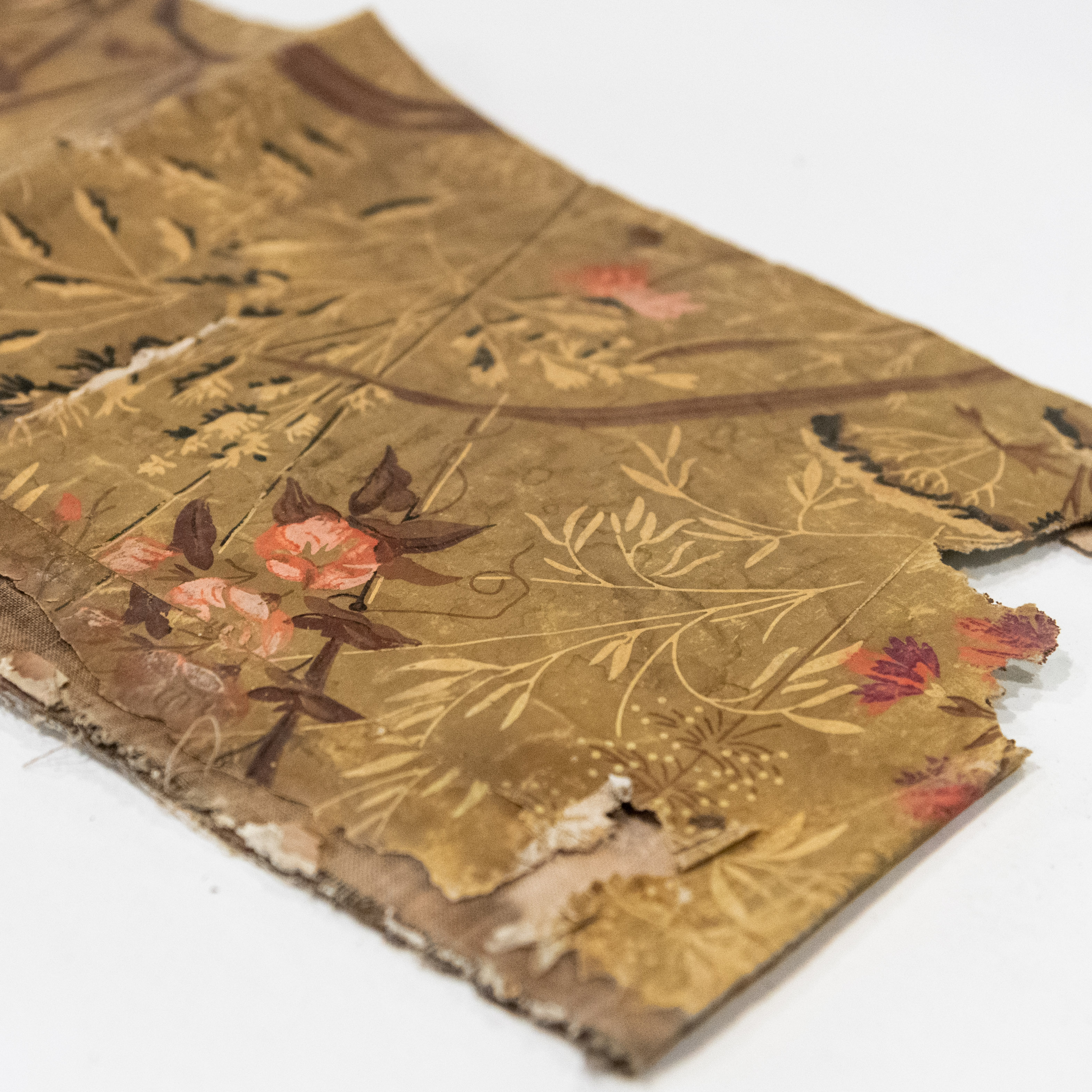
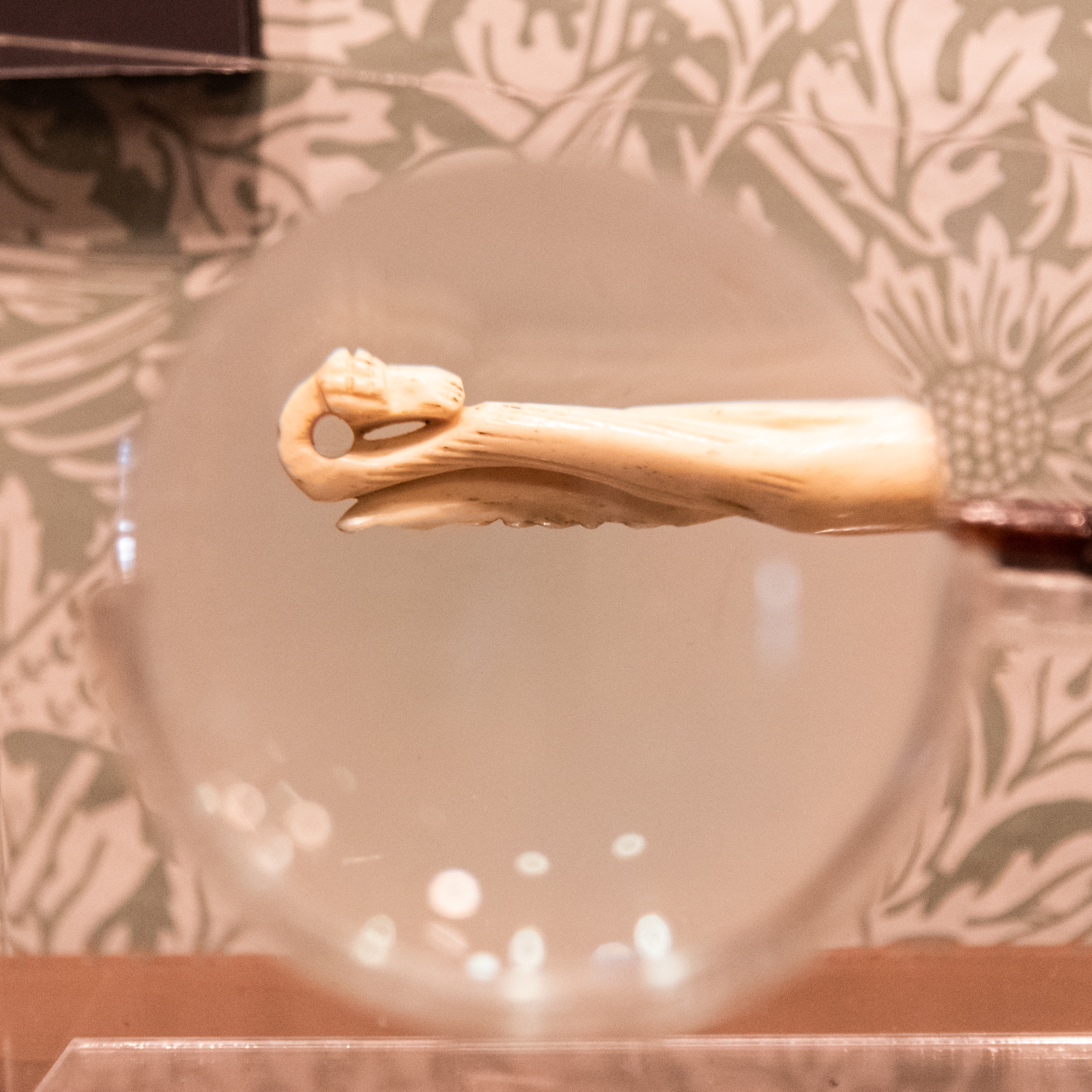
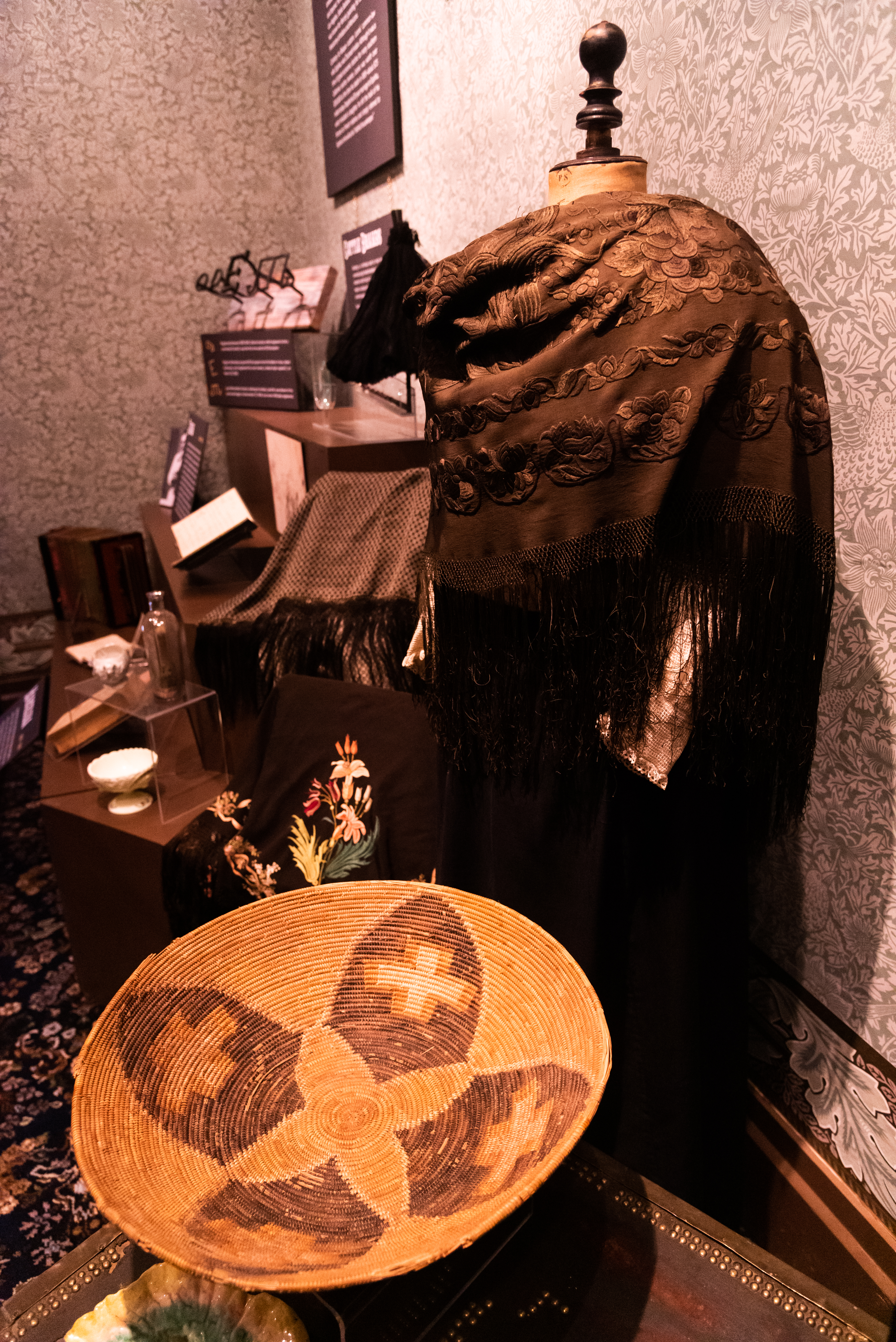
The permanent exhibit was initiated to better protect the collection objects owned by the Leonis family and create an introduction to the central characters of the story told as visitors walk the property. I developed the layout in SketchUp in collaboration with the museum director and historian-curator, designed the text panels, installed the exhibit, and documented the process from beginning to end for the institutional archive.
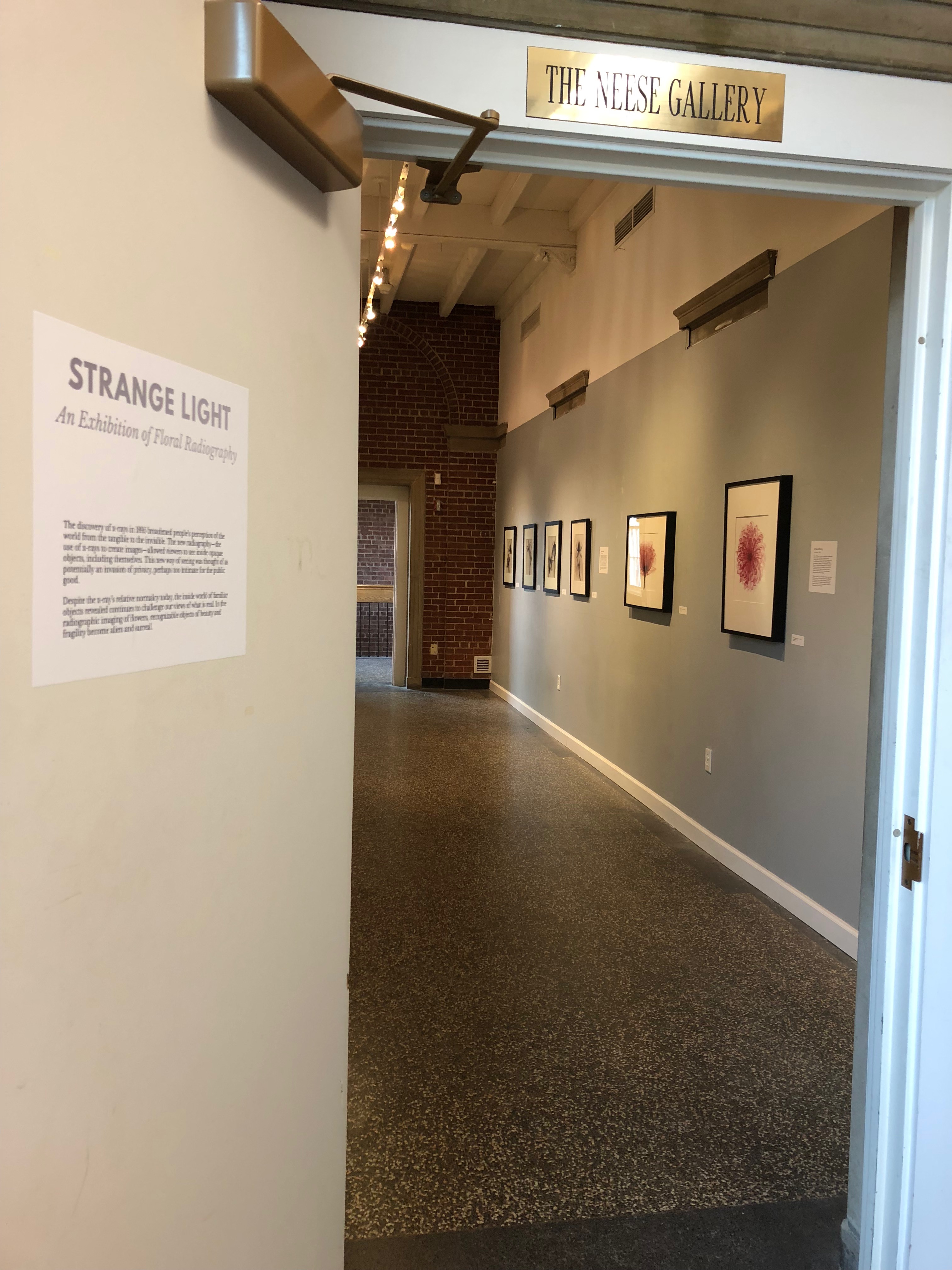
Strange Light: An Exhibition of Floral Radiography
Wright Museum of Art, 2018
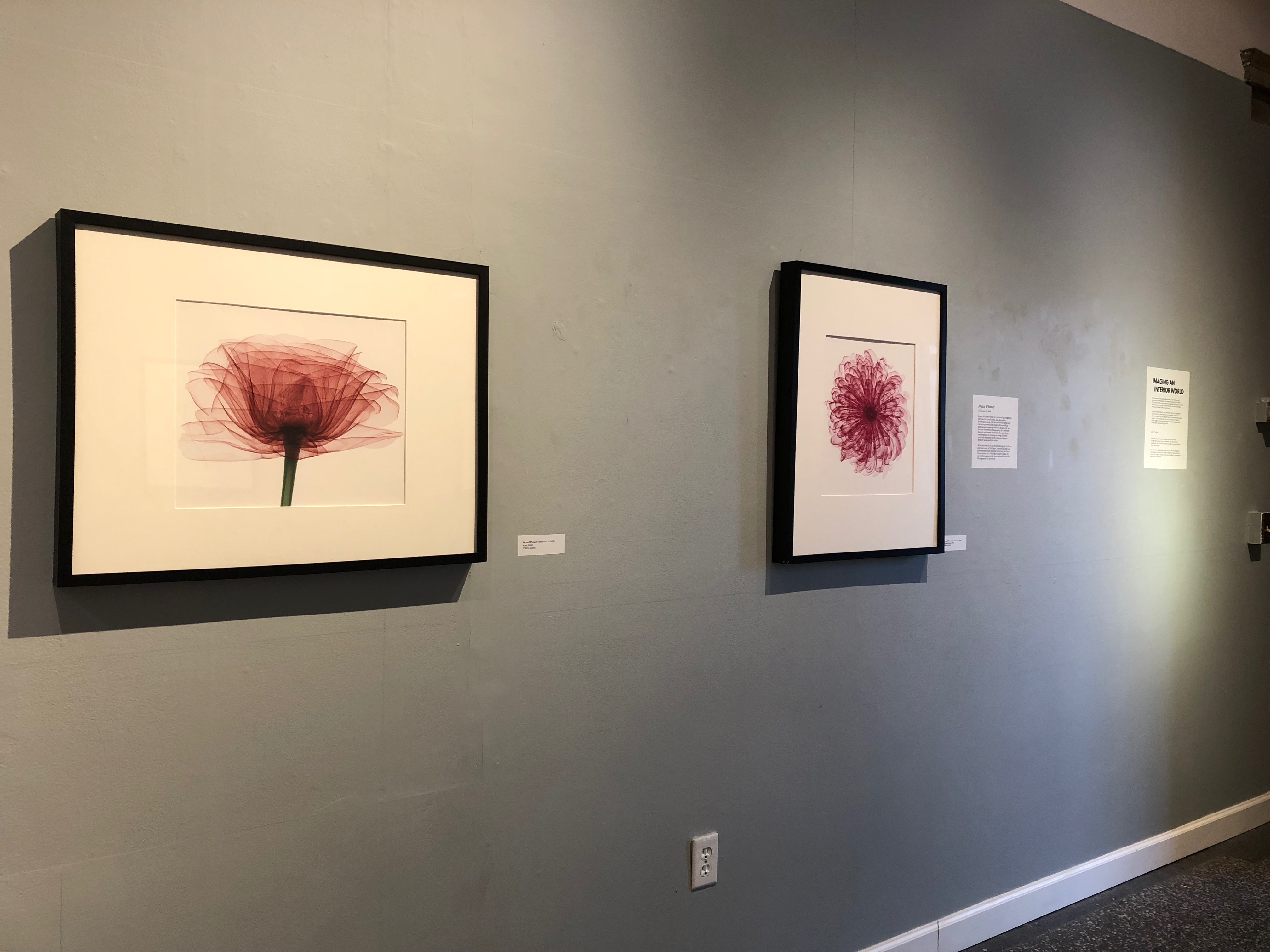
Strange Light composed my Museum Studies capstone. wherein I coordinated the purchase of thirteen prints for the Wright’s collection and curated the interdisciplinary exhibition. The exhibition explored the intersections of science and art in the medium of floral radiography. The catalogue included works from Dr. Dain L. Tasker, a Beloit native whose work is regarded as the earliest art radiography to be recognized by the greater art community; contemporary graphic artist and photographer Bryan Whitney; retired x-ray technician Albert Koetsier; and contemporary photographer Judith McMillan.
Artist Bryan Whitney was kind enough to serve as a generous source of knowledge and to speak at the opening.


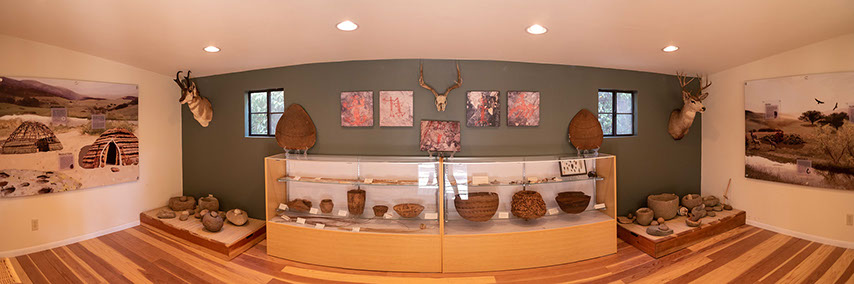
Chumash Lifeways
Leonis Adobe Museum (permanent)
The Chumash Teaching Exhibit is part of the Chumash School Tour. It provides a safe storage environment for authentic objects from the collection which are cocurricular with the recreated Chumash village outside. As part of my internship, I collaborated on updating and reinvigorating the space. I designed and created the large exhibit panels, wrote label copy, and developed portable station panels to refocus themes and program objectives.
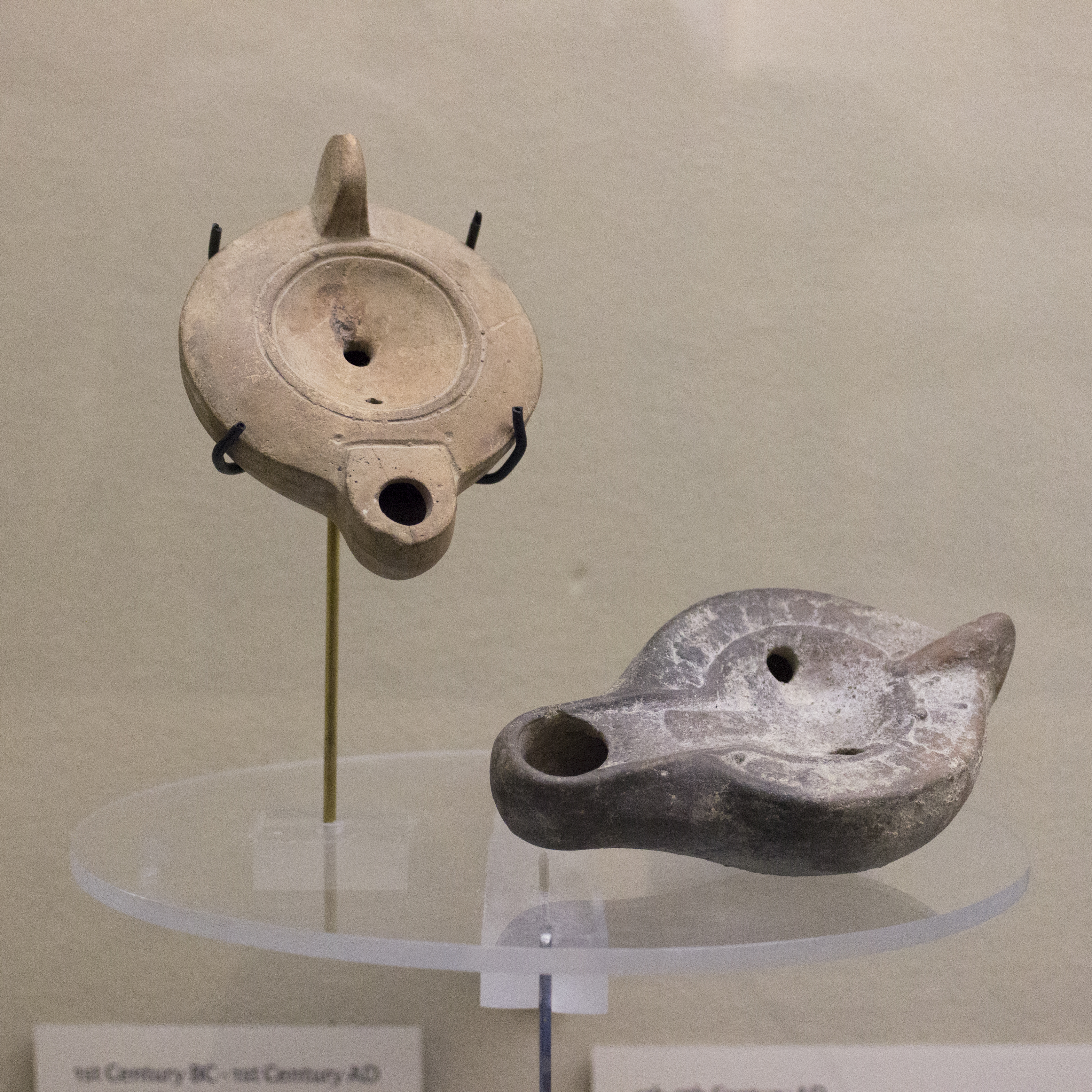
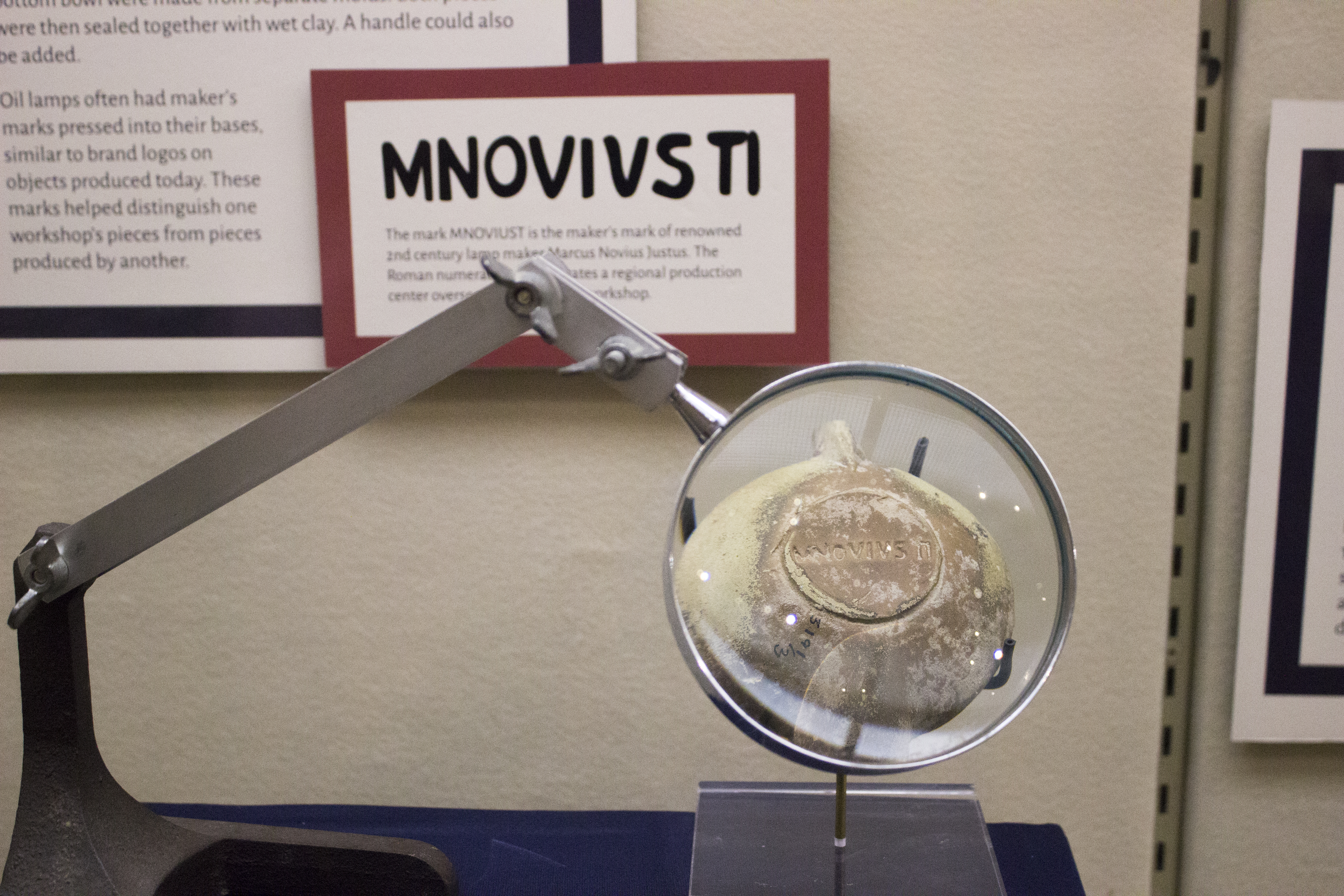
Illuminating an Empire
Logan Museum of Anthropology, Dec 2017 – May 2018
Illuminating an Empire was developed and designed over the course of MUST 245: Exhibition Development and Design. My partner and I were assigned the Logan’s collection of Roman oil lamps – not the most exciting object and therefore an exciting challenge. I collaborated on mount construction, content development, and installation and took lead on designing text panels. I additionally animated the looped demonstration, which held visitors’ attentions and caused them to give these modest objects a second look.

 Jenn Putman